Table of Contents
ToggleIntroduction
The story of Venu Chitale is one of quiet resilience, cultural diplomacy, and intellectual brilliance. At a time when few Indian women had access to global platforms, she carved a unique path for herself in broadcasting, literature, and humanitarian work. Despite her remarkable contributions, her name often remains overshadowed in mainstream historical narratives.
This article explores her life in depth—her early beginnings, groundbreaking career at the BBC, literary achievements, and lasting legacy.
Early Life and Education
A Promising Beginning in India
Venu Chitale was born on 28 December 1912 in Kolhapur, a princely state in present-day Maharashtra, India. She grew up in a progressive environment that valued education and intellectual curiosity. From a young age, she demonstrated a keen interest in literature and communication.
Academic Journey Abroad
Her ambition led her to England in the 1930s, a bold move for an Indian woman of her time. She pursued higher education at prestigious institutions such as University College London and later studied at Oxford. This exposure to Western academia played a crucial role in shaping her worldview and refining her voice as a writer and communicator.
Living in England also meant navigating cultural differences, something that later became a recurring theme in her literary work.
Career at the BBC
Entering the World of Broadcasting
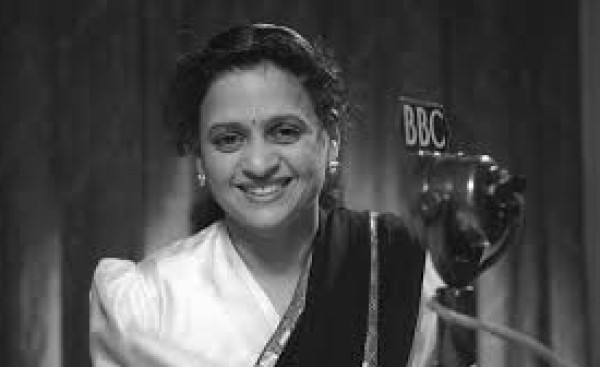
During the Second World War, Venu Chitale joined the British Broadcasting Corporation, commonly known as BBC. She worked in the Eastern Service, specifically catering to Indian audiences.
This role was not merely technical; it was deeply political and cultural. At a time when India was still under British rule, broadcasting to Indian listeners required sensitivity, intelligence, and a nuanced understanding of both societies.
Working with George Orwell
One of the most fascinating aspects of her career was her association with George Orwell, the renowned author of Animal Farm and 1984. Orwell worked as a producer at the BBC during the war, and Chitale served as his secretary.
Their professional relationship placed her at the heart of wartime propaganda and intellectual exchange. While Orwell later criticised the BBC’s role, Chitale’s work remained focused on bridging communication gaps and delivering meaningful content to Indian audiences.
Voice of Culture and Comfort
Chitale was not just an administrator; she became a voice that resonated with listeners. She presented programmes in both English and Marathi, often focusing on culture, daily life, and even cooking.
Her wartime broadcasts included vegetarian recipes adapted for rationing conditions, which provided comfort and familiarity to listeners far from home. This blend of practicality and warmth made her a beloved figure among her audience.
Literary Contributions
The Novel “In Transit”
In 1950, Venu Chitale published her novel In Transit. The book explores themes of displacement, identity, and cultural transition—issues she understood deeply through her own experiences.
The narrative reflects the emotional and psychological journey of individuals caught between two worlds. It captures the tension of belonging neither fully to one culture nor another, a theme that remains relevant even today.
Writing Style and Themes
Chitale’s writing is marked by clarity, sensitivity, and insight. She often focused on:
Identity and Belonging
Her characters frequently grapple with questions of identity, especially in colonial and post-colonial contexts.
Cultural Exchange
She portrayed the complexities of living between Eastern and Western traditions, offering a balanced and empathetic perspective.
Women’s Experiences
As a woman navigating male-dominated spaces, her work subtly highlights the challenges and resilience of women in society.
Use of a Pen Name
At times, she wrote under the pseudonym “Weenoo,” adding another layer to her literary identity. This allowed her to explore different styles and audiences while maintaining a degree of creative freedom.
Life After Returning to India
A Nation in Transition
After India gained independence in 1947, Venu Chitale returned to her homeland. This period was marked by the upheaval of the Partition of India, one of the most significant and traumatic events in South Asian history.
Humanitarian Work
Chitale dedicated herself to helping refugees displaced by Partition. She worked in camps, providing support and assistance to those who had lost their homes and livelihoods.
This phase of her life highlights her compassion and commitment to social responsibility. She was not content with intellectual pursuits alone; she actively engaged in improving the lives of others.
Continued Work in Media
Back in India, she remained connected to broadcasting and media, contributing to All India Radio. Her experience at the BBC enriched her work, enabling her to bring a global perspective to Indian audiences.
Personal Life
Family and Relationships
Venu Chitale married Ganesh Khare, and the couple had a daughter, Nandini Apte. Her daughter later became a writer, suggesting that Chitale’s intellectual and creative influence extended to the next generation.
Balancing Roles
Despite her demanding career, she managed to balance her roles as a professional, mother, and humanitarian. This balance reflects her determination and adaptability in a rapidly changing world.
Legacy and Recognition
A Pioneer for Indian Women
Venu Chitale stands as a pioneer for Indian women in international media. At a time when opportunities were limited, she broke barriers and established herself on a global stage.
Cultural Bridge Between Nations
Her work at the BBC and in literature served as a bridge between India and Britain. She helped foster understanding and dialogue during a period of political tension and transformation.
Modern Recognition
In recent years, her contributions have begun to receive renewed attention. Notably, she was honoured with a Google Doodle, bringing her story to a global audience and reminding the world of her achievements.
Why Venu Chitale Still Matters Today
Relevance in a Globalised World
In today’s interconnected world, themes of identity, migration, and cultural exchange are more relevant than ever. Chitale’s work provides valuable insights into these issues.
Inspiration for Future Generations
Her life serves as an inspiration for aspiring writers, broadcasters, and professionals. She demonstrated that determination, intellect, and empathy can overcome societal barriers.
Lessons in Communication
Chitale’s ability to communicate across cultures offers important lessons for modern media professionals. Her approach emphasised authenticity, respect, and understanding—qualities that remain essential in today’s media landscape.
Conclusion
The life of Venu Chitale is a testament to the power of voice—both literal and metaphorical. Through her work in broadcasting and literature, she connected people across continents, cultures, and experiences.
Although she may not be a household name, her contributions are undeniably significant. She was more than a broadcaster or writer; she was a cultural ambassador, a humanitarian, and a pioneer.
As history continues to be revisited and reinterpreted, figures like Venu Chitale deserve recognition for their role in shaping the world we live in today. Her story is not just a chapter of the past but a source of inspiration for the future.